
2026 Public Power Candidate Scorecard
Mayoral Candidates
Overall Score
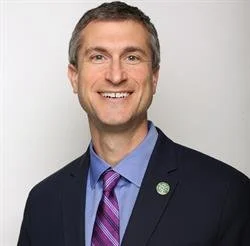
Christopher Taylor: C
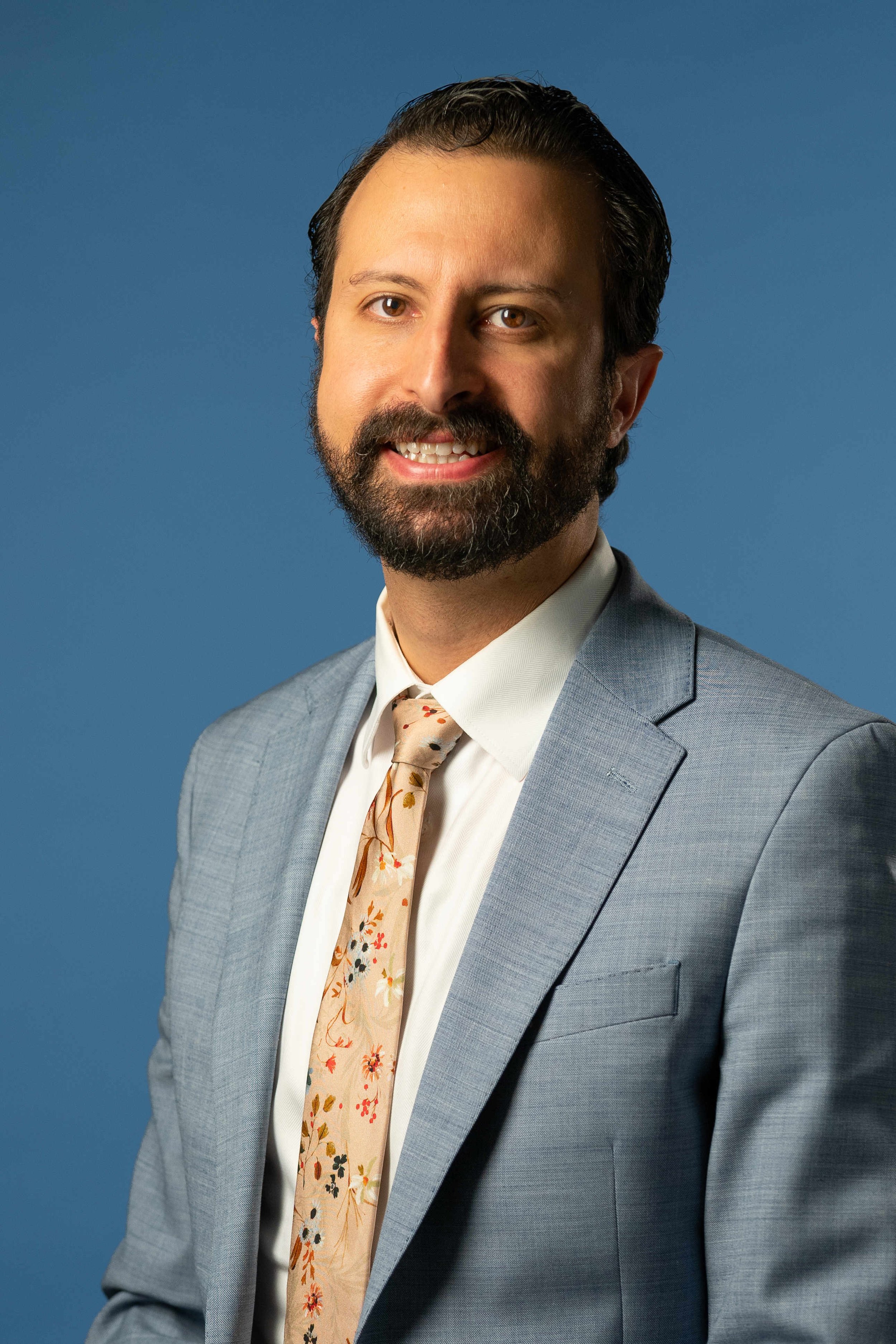
Yousef Rabhi: A
1. Independence from DTE and Private Utility-Affiliated Money
Has the candidate ever accepted contributions from DTE Energy, DTE-affiliated PACs, or known utility front groups?
No, and the candidate has made a public commitment not to accept such contributions in the future
No, the candidate has not accepted such contributions
Yes, but contributions were returned or publicly disavowed
Yes, contributions were accepted and retained
Christopher Taylor | A
No, and the candidate has made a public commitment not to accept such contributions in the future
I have never taken and will never take contributions from DTE energy, DTE-affiliated PACs, or known utility front groups.
In addition, I am the only candidate in this race to NOT take thousands of dollars from Corporate PACs.
Yousef Rabhi | A
No, and the candidate has made a public commitment not to accept such contributions in the future
No, the candidate has not accepted such contributions
I have never and will never accept money from DTE, their PAC, their executives or any other private utility. I am the only candidate in the race that can say that. DTE is a fossil-fuel company that is exploiting our community. I have been organizing and pushing back on DTE for over a decade and fully endorse Public Power.
2. Public Commitment to Municipal / Public Power
Has the candidate publicly stated support for municipalization in Ann Arbor?
Yes. The candidate has made public statements, written op-eds, or made social media posts supporting public power.
Yes. The candidate's platform includes public power and utility accountability.
No.
Christopher Taylor | F
No.
No, because municipalization is forcible. I fully support public power, and voted in support of the feasibility study to learn more and to enable us to present the complete question to the voters, but committing to the seizure of assets without an understanding of the costs is not good policy. If we were starting society from the beginning, the electric utility ought to be public, like the water utility.
In addition, I spearheaded our Sustainable Energy Utility (SEU), an opt-in utility that provides 100% renewable, reliable, clean energy, with no new taxes. On May 18, 2026, we installed solar panels and batteries on the first homes in Ann Arbor. We’re looking to start this year with 100 installations, adding 1,000 more homes in 2027, with the best yet to come!
Note from A2P2:
The public power strategy in Ann Arbor does not include “committing to the seizure of assets without an understanding of the costs.” In fact, seizure of assets will occur only if 60% of voters approve it at a later election, and only after the costs have been determined.
We also note that the candidate’s website refers to public power as “a billion dollar buyout” that would take “a decade of multi-million dollar legislation.” Both these claims are unfounded; we can find no instance of municipalization in history which would comparatively substantiate that either of those claims are likely to be true. This is not reflected in the grading of this scorecard.
Yousef Rabhi | A
Yes. The candidate has made public statements, written op-eds, or made social media posts supporting public power.
Yes. The candidate's platform includes public power and utility accountability.
I helped to start Ann Arbor for Public Power nearly a decade ago. As a legislator, I had a front row seat to watch the corrupting influence of DTE in our political system. DTE spends our ratepayer dollars to influence the same regulators that are supposed to be protecting us. Every time I introduced good legislation to protect the environment, like "Polluter Pay" laws, expanding home solar or implementing a 100% renewable energy portfolio in Michigan, they rolled out their money and lobbyists to stop it. Not only do they spend our own money against us, but they also provide some of the least reliable and most expensive power in the country. It has been my unwavering belief that the only way to truly hold them accountable is to take our power back and pass the Ann Arbor for Public Power proposal. I am on the Advisory Board and have attended and spoken at countless A2P2 events. I fully endorse the proposal.
3. Public Commitment to 2026 Ann Arbor Public Power Ballot Initiative
Has the candidate publicly expressed support for placing or advancing a public power ballot initiative in Ann Arbor?
Yes. The candidate has made public statements, written op-eds, or made social media posts supporting the 2026 Ann Arbor for Public Power ballot initiative.
Yes. The candidate’s platform includes public power and utility accountability, generally.
No.
Christopher Taylor | F
Yes. The candidate's platform includes public power and utility accountability, generally.
I voted in support of the feasibility study, support utility accountability, and championed our Sustainable Energy Utility here in Ann Arbor, which is public power.
I’m also standing up to DTE and opposing rate increases. Our efforts over the past five years have, with others, saved ratepayers statewide over $1 billion in electricity costs and more than $150 million in gas costs, while limiting residential electricity rate increases to below DTE’s original requests.
Note from A2P2: Not only has the candidate not publicly committed to the 2026 Ann Arbor for Public Power ballot initiative, he is actively spreading false information about it (see previous note).
Yousef Rabhi | A
Yes. The candidate has made public statements, written op-eds, or made social media posts supporting the 2026 Ann Arbor for Public Power ballot initiative.
Yes. The candidate's platform includes public power and utility accountability, generally.
This ballot measure is a crucial step in the process. I was the first person to sign the petition. I am the only candidate in the race for Ann Arbor Mayor who has endorsed this ballot proposal. I fully support Ann Arbor for Public Power
4. Track Record on Energy Justice, Affordability, and Reliability
In their past votes, advocacy, or community work, has the candidate actively supported policies that advance:
Energy affordability
Protection against electricity shutoffs
Grid reliability
Energy equity for low-income residents
Reforms that limit the role of investor-owned utility money in elections and policymaking
Ann Arbor’s stated A2Zero goal to achieve community-wide carbon neutrality by 2030
None of the above
Note: Due to an inability to thoroughly research every candidate’s track record, the scores for question 4 are omitted. Candidate responses are still provided.
Christopher Taylor
Energy affordability
Protection against electricity shutoffs
Grid reliability
Energy equity for low-income residents
Reforms that limit the role of investor-owned utility money in elections and policymaking
Ann Arbor’s stated A2Zero goal to achieve community-wide carbon neutrality by 2030
Under my leadership and at my initiative, Ann Arbor’s climate action budget has grown from $200K/yr to $9M/yr. I have championed A2Zero and been a consistent fighter for energy affordability, reliability, and holding DTE and others accountable.
Yousef Rabhi
Energy affordability
Protection against electricity shutoffs
Grid reliability
Energy equity for low-income residents
Reforms that limit the role of investor-owned utility money in elections and policymaking
Ann Arbor’s stated A2Zero goal to achieve community-wide carbon neutrality by 2030
As State Representative, my first bill ever signed into law was part of a package that clarified that home solar panels were not taxable. This was done in direct response to the fact the City of Ann Arbor decided to be the only city in the entire state to tax solar.
As an elected official here is a sample of some of the other legislation I introduced:
-Energy Freedom Package: Bills to improve reimbursement rates for home solar and remove arbitrary utility caps on solar energy generation.
-Bill to set Michigan’s renewable energy portfolio standard at 100% (used as basis for Clean Energy and Jobs Act which was passed into law in 2024)
-Eliminate distributed generation grid tariff which was imposed by the utilities to reduce reimbursement rates for home solar generators.
-Bills to expand Property Assessed Clean Energy financing (passed into law in 2023)
-Bill to allow the state to install vehicle charging stations at park and ride lots
-Bill to create Climate Resiliency Corps
-Bill to force utilities to provide outage credits to customers that would escalate based on the length of the outage, provide compensation for spoiled food, medicine and lodging costs, and reimburse local governments for the cost of responding to the outage.
-Bill to move outage credits to automatic and create escalating credit based on number of outages (automatic credits were eventually adopted by the MPSC after this bill was introduced)
-Bill preventing HOA’s and Condo associations from banning solar panels (passed in 2024)
-Bill barring utilities from spending dark money on elected official's accounts (later evolved into Michiganders for Money Out of Politics ballot measure)
-Constitutional Amendment to make all monopoly utilities state owned and operated.
5. Track Record on Data Centers
Does the candidate publicly endorse a moratorium on large-scale data centers and/or has the candidate actively supported policies to stop the construction of such data centers in their past votes, advocacy, or community work?
Yes. The candidate has made public statements, written op-eds, or made social media posts supporting a data center moratorium.
Yes. The candidate’s platform includes a moratorium on data centers.
Yes. The candidate has actively supported such policies
Mixed. Some advocacy or policy work has been against data centers and some has been in favor.
No.
Christopher Taylor | C
Yes. The candidate has actively supported such policies
Yousef Rabhi | A
Yes. The candidate has made public statements, written op-eds, or made social media posts supporting a data center moratorium.
Yes. The candidate’s platform includes a moratorium on data centers.
Yes. The candidate has actively supported such policies.
As a state legislator, I opposed tax breaks for data centers and organized my fellow legislators to push back even when the political tides were against us. As a county commissioner, I spearheaded the county resolution to oppose AI data centers and educate the public on their dangers. As an elected official I have spoken at numerous protests, participated in podcasts and news articles to oppose data centers. As Ann Arbor Mayor, I will support a moratorium on all AI data centers, pass zoning laws to ban AI data centers and set up a legal fund to defend our community in court. As mayor I will also continue to join in solidarity with surrounding communities, like Saline and Ypsilanti Twp, that are fighting data centers. We are not a silo: what happens around us has a direct impact on our community. I will use my position to advocate at city hall, in the streets and in Lansing.