
2026 Public Power Candidate Scorecard
Ward 1 Candidates
Overall Score
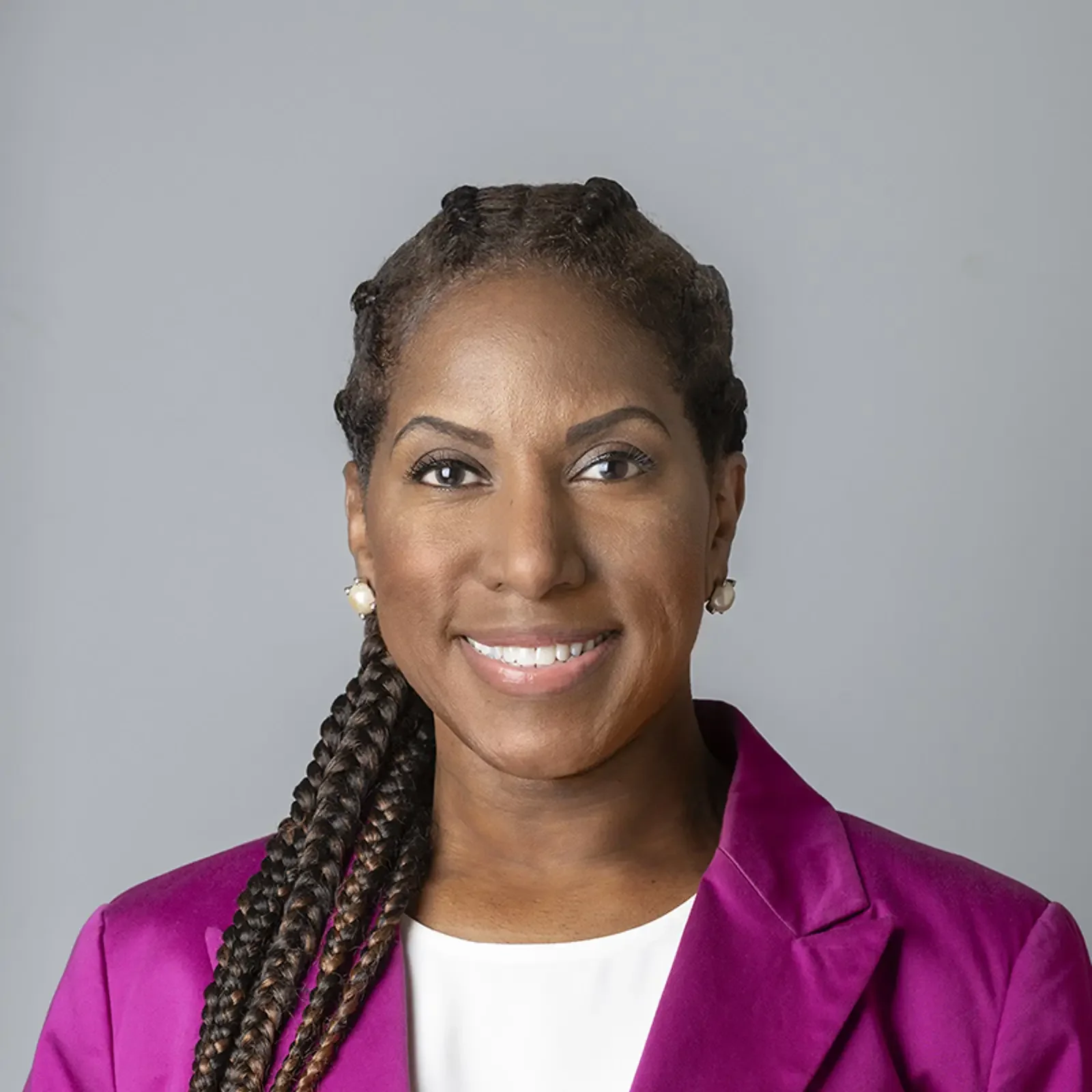
Cynthia Harrison: C

Rebecca Arends:
Declined to respond
1. Independence from DTE and Private Utility-Affiliated Money
Has the candidate ever accepted contributions from DTE Energy, DTE-affiliated PACs, or known utility front groups?
No, and the candidate has made a public commitment not to accept such contributions in the future
No, the candidate has not accepted such contributions
Yes, but contributions were returned or publicly disavowed
Yes, contributions were accepted and retained
Cynthia Harrison | A
No, and the candidate has made a public commitment not to accept such contributions in the future
I have never taken, and will never take, money from these groups.
Rebecca Arends | Declined to respond.
2. Public Commitment to Municipal / Public Power
Has the candidate publicly stated support for municipalization in Ann Arbor?
Yes. The candidate has made public statements, written op-eds, or made social media posts supporting public power.
Yes. The candidate's platform includes public power and utility accountability.
No.
Cynthia Harrison | F
No.
I share the community’s frustration with DTE - the outage record, the pace on renewables, the rates. These are legitimate grievances. Ann Arbor has also already taken important steps: voters approved our Sustainable Energy Utility in November 2024, which gives residents an opt-in path to local, renewable energy without replacing DTE’s grid. The full municipalization question is more complex - the legal battle would be lengthy and expensive, and DTE will use every available tool to resist. The March 2025 Council vote on the feasibility study was close precisely because these trade-offs are very real. I believe we should continue to push for clean energy aggressively through every available avenue - the SEU, state regulatory channels, and keeping the municipalization conversation alive - while being honest with residents about the costs and timelines involved.
I support Ann Arbor’s Sustainable Energy Utility, which provides Ann Arbor with an important tool to accelerate local clean energy work and directly serve our residents. The SEU is particularly valuable because it can help support lower-income households that often face the highest energy burdens. As we work toward achieving our climate goals, the SEU is a key piece to expand access to clean, reliable energy without burdening Ann Arbor with costs and debt.
Rebecca Arends | Declined to respond.
3. Public Commitment to 2026 Ann Arbor Public Power Ballot Initiative
Has the candidate publicly expressed support for placing or advancing a public power ballot initiative in Ann Arbor?
Yes. The candidate has made public statements, written op-eds, or made social media posts supporting the 2026 Ann Arbor for Public Power ballot initiative.
Yes. The candidate’s platform includes public power and utility accountability, generally.
No.
Cynthia Harrison | F
No.
At this time, I do not support the A2P2 proposal. Ann Arbor residents deserve reliable, affordable, and clean energy. However, the financial risks of the ballot initiative are too great, and I worry about burdening Ann Arbor with debt and making cuts to other services and City programs.
My statement on March 3, 2025 in reference to Resolution to Approve a Professional Services Agreement with NewGen Strategies and Solutions, LLC, to Complete an Electric Grid Asset Valuation and Municipalization Study ($1,728,000.00):
“I support improving energy reliability, affordability, and the transition to clean power. I also share the frustration many residents feel toward DTE and believe we must keep pushing for better service and greater energy independence. That’s why I support investing in initiatives that move us toward those goals in a responsible and sustainable way.
Right now, Ann Arbor’s financial situation does not support municipalization. Acquiring DTE’s infrastructure would require a new city millage, adding a long-term financial burden on residents. Beyond the cost, municipalization would be a legally complex process, taking years of litigation with no guaranteed outcome. Other cities pursuing municipalization have spent millions on legal fees alone, with costs escalating based on litigation length and complexity.
At the same time, Ann Arbor has been leading the fight for energy justice. We have been the primary—and at times the sole—advocate against harmful policies, including unfair rate hikes. Our attorneys have successfully challenged DTE’s rate increases before the Michigan Public Service Commission, saving ratepayers money. We’ve also built strong partnerships across government agencies to push for better oversight and accountability.
Given our financial uncertainties, I cannot support spending nearly $2 million on a Phase 2 study for full municipalization at this time. Ann Arbor is already at risk of losing federal funding, and we may have to make tough choices about existing programs. Now is not the time to take on an expensive, uncertain legal fight.
If the city were to move forward with municipalization, we would need a dedicated funding source just for litigation—at least $3 million per year for 10 years just to fight the legal battle. That’s before we even consider the cost of acquiring and upgrading the infrastructure itself, which could range from $281 million to over $1 billion, depending on legal and operational challenges.
Are Ann Arbor residents financially ready to take on this burden? Given the uncertainty created by recent executive orders and the broader economic climate, I don’t believe this is the right time to take such a gamble. The decision at hand is about where best to use our money—should we put it toward a rainy-day fund to prepare for future challenges, or should we commit to a long, costly, and uncertain legal fight?
Instead of diverting resources to litigation, we should focus on strengthening the Sustainable Energy Utility (SEU) that voters just approved. This is a viable, community-driven path forward—one that moves us toward greater energy independence without prolonged legal battles or financial strain.
We have to make hard choices. While I want a cleaner, more reliable energy future, I cannot in good conscience support this Phase 2 study. The financial risks are too great, and we have too many other pressing priorities. This is why I will not be supporting this tonight”
Rebecca Arends | Declined to respond.
4. Track Record on Energy Justice, Affordability, and Reliability
In their past votes, advocacy, or community work, has the candidate actively supported policies that advance:
Energy affordability
Protection against electricity shutoffs
Grid reliability
Energy equity for low-income residents
Reforms that limit the role of investor-owned utility money in elections and policymaking
Ann Arbor’s stated A2Zero goal to achieve community-wide carbon neutrality by 2030
None of the above
Note: Due to an inability to thoroughly research every candidate’s track record, the scores for question 4 are omitted. Candidate responses are still provided.
Cynthia Harrison
Energy affordability
Protection against electricity shutoffs
Grid reliability
Energy equity for low-income residents
Reforms that limit the role of investor-owned utility money in elections and policymaking
Ann Arbor’s stated A2Zero goal to achieve community-wide carbon neutrality by 2030
Yes, in March of 2023, I sponsored a Resolution Requesting the City Administrator to Engage with the Michigan Legislature and Michigan Public Service Commission to Advance Energy Equity and Resilience.
In October of 2023, I sponsored a Resolution to Measure the Impact of the Home Energy Rating Disclosure and Annually Report on Results to City Council.
In October of 2023, I championed a Resolution for Evaluation of Integration of Home Energy Score (HES) Assessments in Residential Inspection Process.
And in May of 2026, I sponsored a Resolution to Confirm Support for the City’s Ongoing Interventions in DTE Electric and DTE Gas Rate Cases and Other Key Cases Before the MPSC Impacting Ann Arbor Residents.
Rebecca Arends | Declined to respond.
5. Track Record on Data Centers
Does the candidate publicly endorse a moratorium on large-scale data centers and/or has the candidate actively supported policies to stop the construction of such data centers in their past votes, advocacy, or community work?
Yes. The candidate has made public statements, written op-eds, or made social media posts supporting a data center moratorium.
Yes. The candidate’s platform includes a moratorium on data centers.
Yes. The candidate has actively supported such policies
Mixed. Some advocacy or policy work has been against data centers and some has been in favor.
No.
Cynthia Harrison | C
Yes. The candidate has actively supported such policies.
I have real hesitations, and I believe the residents of Ann Arbor deserve a full transparent conversation before any decisions are made. Data centers bring significant infrastructure demands - most notably massive electricity consumption and substantial water usage for cooling. In a city that has committed to A2Zero and is actively working toward clean energy independence, we have to ask hard questions about what large-scale power consumers mean for our grid, our emissions targets, and our long-term sustainability goals. Those concerns are legitimate and I take them seriously.
At the same time, I want to be equally honest about something else: data centers bring construction jobs - good paying, union jobs - and that matters to me. I am a proud supporter of organized labor, and I will not pretend that the employment side of this equation doesn’t exist. Workers deserve economic opportunity in this city too, and any conversation that dismisses that isn’t a complete conversation.
So where does that leave me? It leaves me firmly in the camp of: we need genuine community input before anything moves forward. Not a rubber stamp process. Not a done deal presented to residents after the fact. Real engagement - with neighbors, with environmental advocates, with labor, with our sustainability commission - so that Ann Arbor makes a decision that reflects our values as a whole community.
My standard for any data center proposal is a rigorous community benefit analysis: What are the real infrastructure costs to the city? What is the environmental impact and how does it interact with our A2Zero commitments? Are the jobs truly accessible to Ann Arbor residents? And how does the overall deal serve our community - not just one interest at the table.
I'm not going to tell you I'm ready to say yes. I'm also not going to tell you I'm ready to say no. What I am ready to say is that this community's voice comes first — and I will make sure it is heard.